How We Actually Travel Full-Time with kids (And How You Might Be Able To, Too)
Practical, honest basics for families who dream of a life with more freedom, flexibility, and adventure.
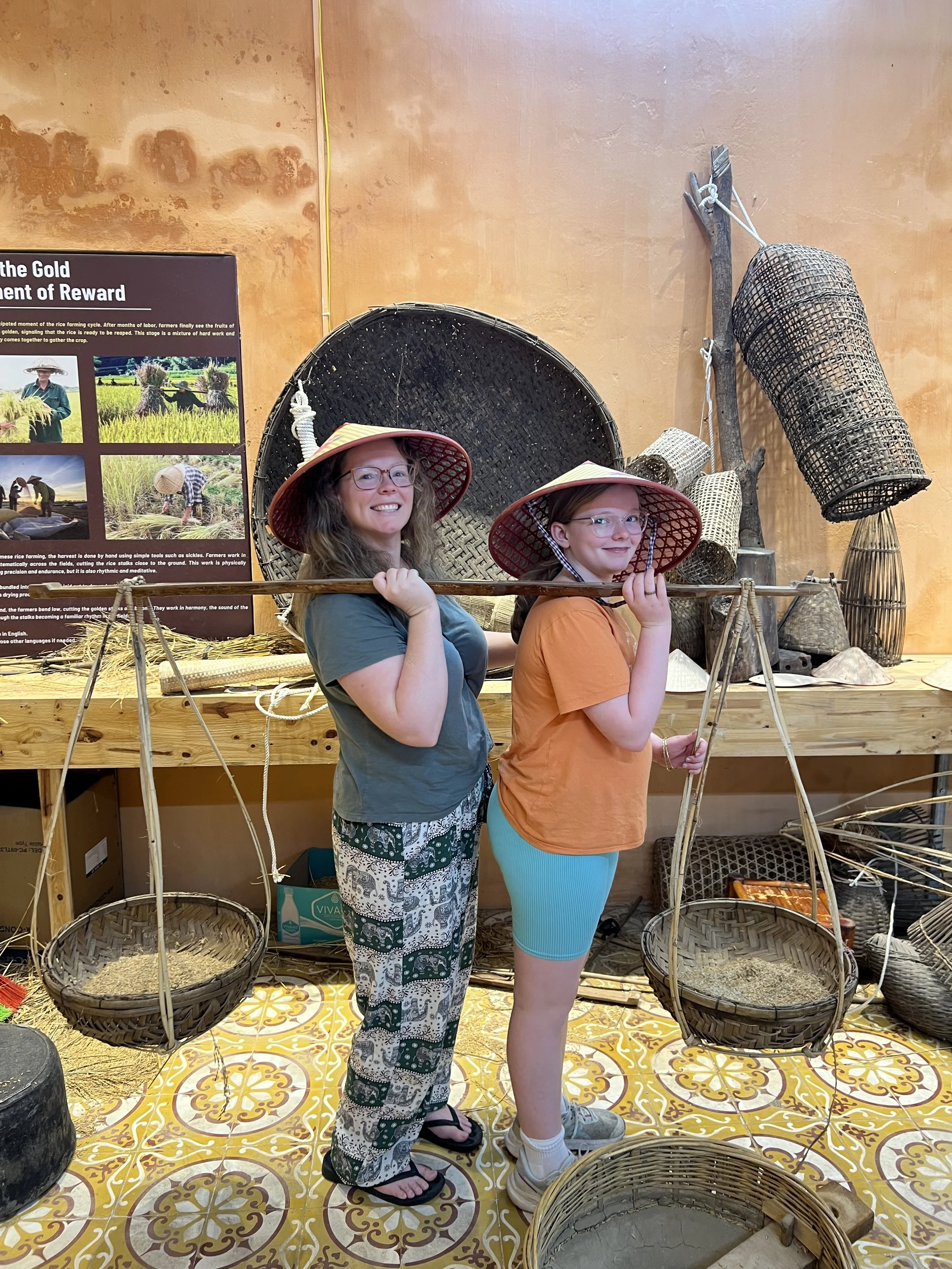
learning along side our kids about different cultures and ways of life.
When people hear that we travel full-time with four kids, the first reaction is usually a mix of curiosity and disbelief.
“How do you afford that?”
“How do you work?”
“What about the kids’ schooling?”
“Isn’t it overwhelming?”
What many don’t realise is that full-time travel isn’t about being wealthy or lucky. It’s about building a lifestyle step by step, using a set of practical, logical foundations that make this possible for ordinary families like ours.
No magic. No secrets. Just intentional decisions and a willingness to think differently.
Here’s what actually makes our lifestyle work — and what might spark ideas for your own family.
1. We Turned Our Home Into Income Instead of an Expense
Our home in Australia was our biggest financial commitment. Renting it out transformed it from a cost to an asset, providing steady income while we travel.
For many families, long-term rental income alone can become the base that helps support a gap year abroad, long-term travel, or slow travel seasons.
If you own a home, you may already have your biggest travel enabler — it’s just sitting in your driveway.
2. We Built a Location-Independent Business
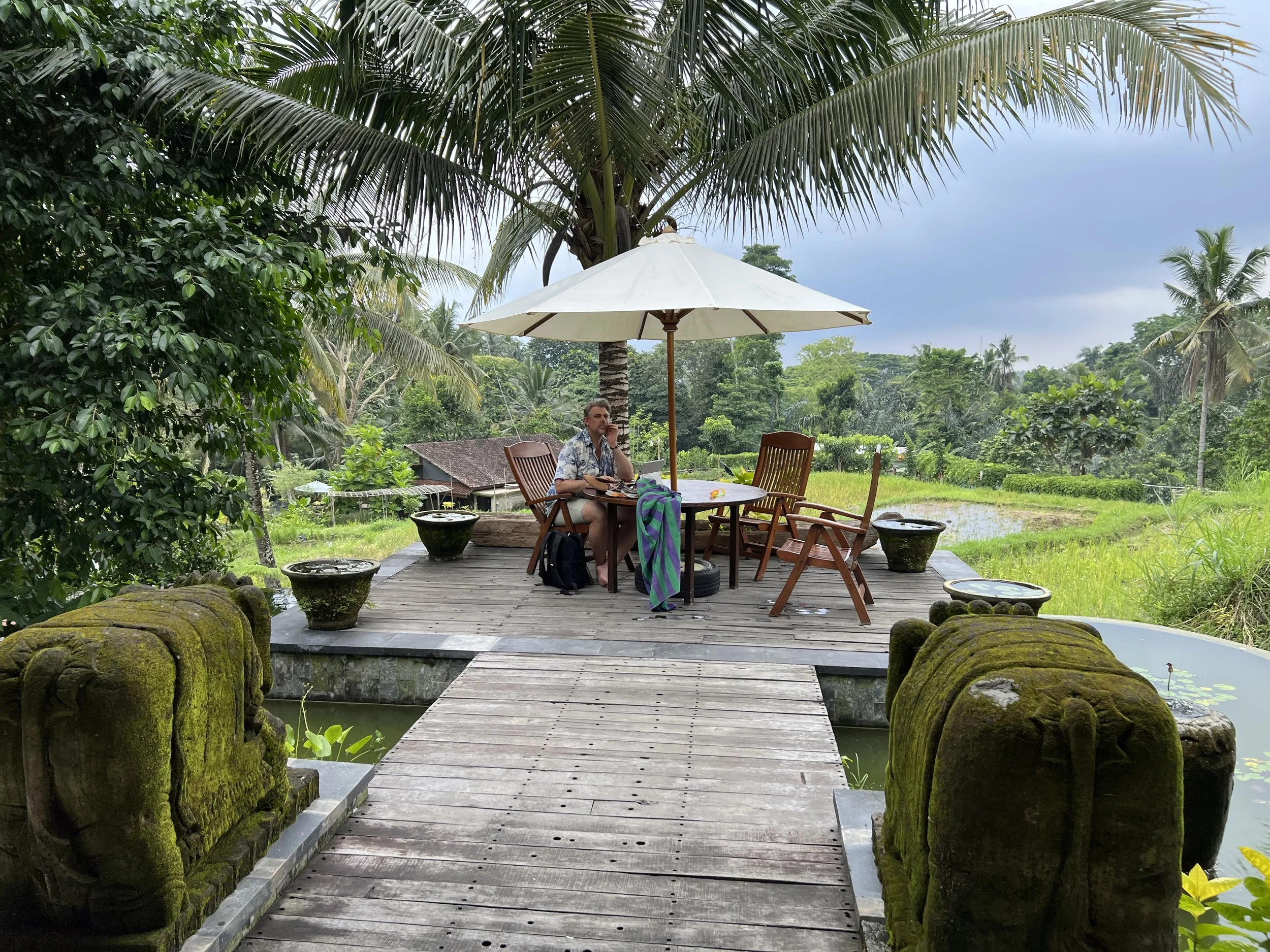
Brad working in Ubud, while the kids swim in the pool below.
The shift to full-time travel only becomes sustainable if your income can travel with you. We built a business that we can run remotely from anywhere with solid internet, giving us flexibility and consistency.
These days, more roles than ever are remote-friendly. Families can redesign their work around:
consulting or coaching
marketing or admin
digital products or e-commerce
tourism or travel-related work
trades-adjacent online services
creative or tech-based roles
You don’t have to replicate our pathway, but you can adapt your skills in a way that frees you from a fixed postcode.
3. We Live in Countries With a Manageable Cost of Living
This is one of the biggest mindset shifts for families.
When you live in Australia and prices rise, you feel trapped — groceries, utilities, rent, activities, everything becomes more expensive, and it feels like you simply have to absorb it.
But once you zoom out to the rest of the world, you quickly realise that:
groceries can cost half as much
accommodation can be dramatically cheaper
transport is often a fraction of the cost
activities and eating out can be affordable
utilities barely dent the budget
In countries like Vietnam, Malaysia, Thailand, or even parts of Europe and South America, your dollar stretches further — much further.
Because we slow-travel, often staying for weeks or months at a time, our rental costs drop significantly, and day-to-day living becomes far more manageable than at home.
This is one of the main reasons full-time travel can cost less than staying put in Australia.
4. Education Becomes Mobile — and Richer
We homeschool, which allows our children’s learning to travel with us. But beyond worksheets and textbooks, their education comes alive through real-world experiences:
walking through historical sites
visiting modern museums and science centres
learning geography through lived experience
picking up new languages and cultural understanding
seeing wildlife and ecosystems firsthand
building social skills with kids from all over the world
Whether it’s homeschooling, distance ed, hybrid models, or worldschooling, education becomes flexible, portable, and deeply meaningful.
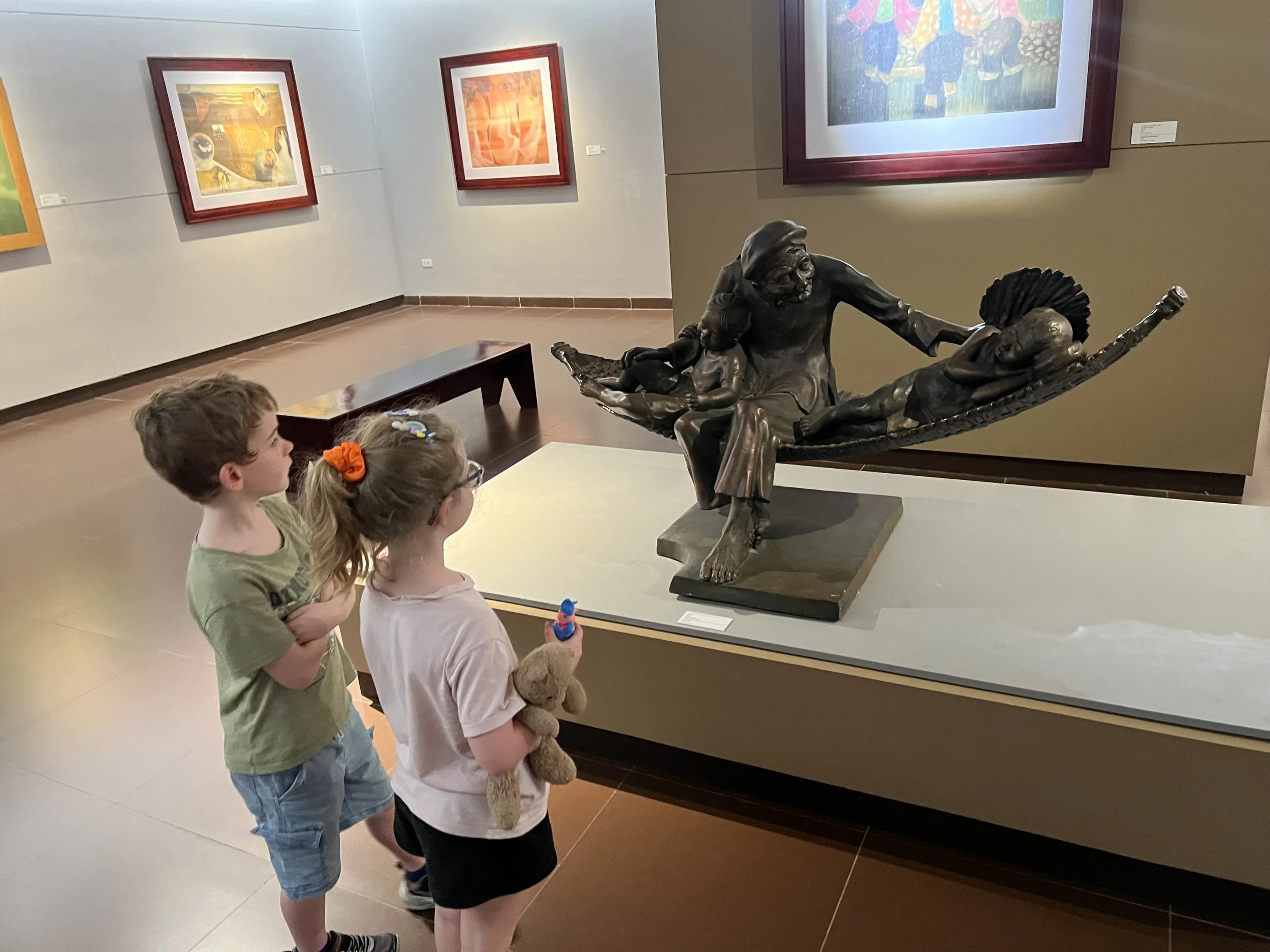
We always explore local museums and art galleries in the destinations we visit because we can learn so much about the history and the culture of a place.
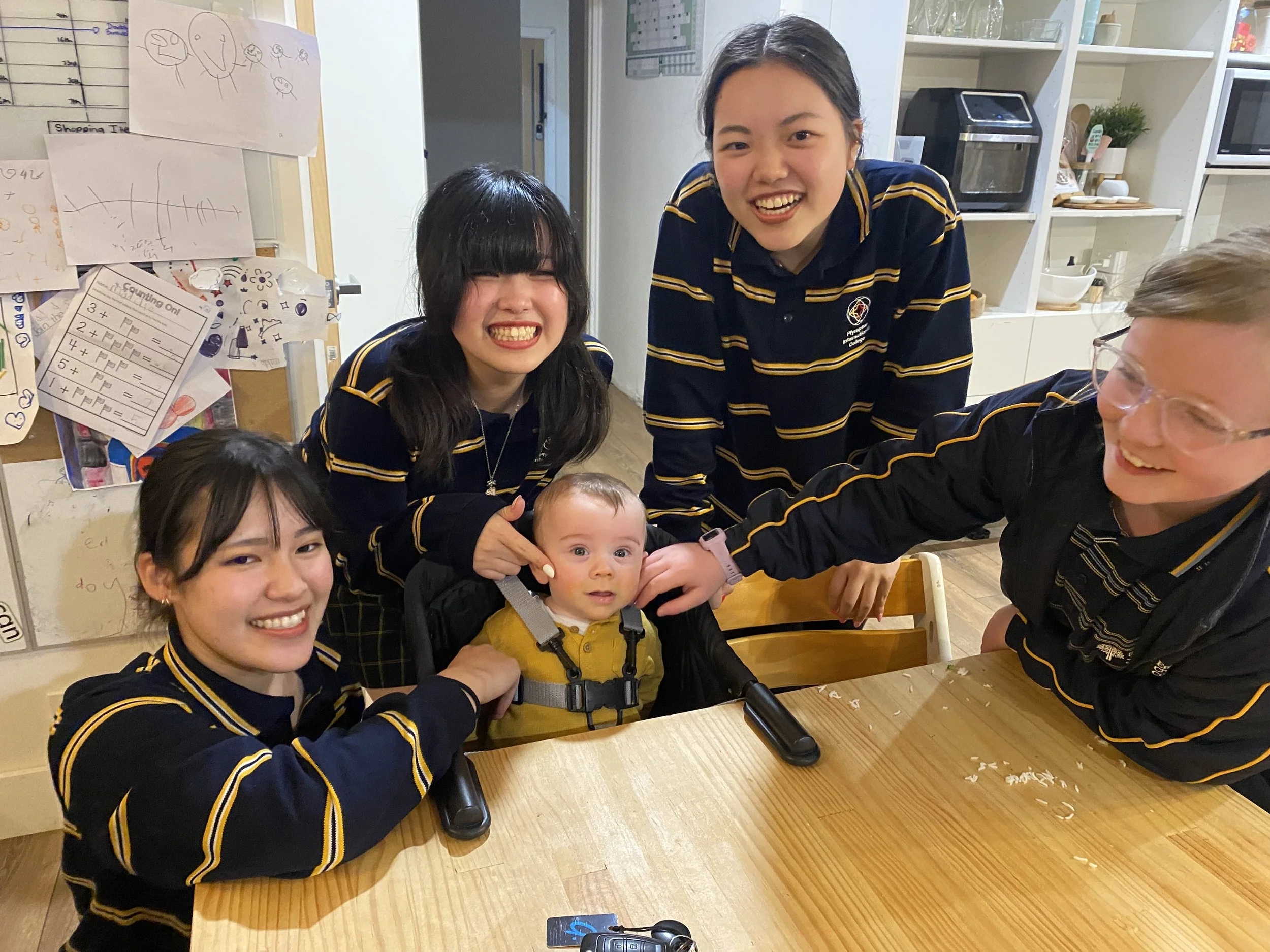
we truely believe that hosting international students was the start of our worldschooling adventures, even before the kids had passports. It was a culturally rich experience and taught our kids so much about life hospitality and other cultures from around the world.
5. We Saved Before We Left — Strategically
Before taking the leap, we spent time building a financial runway. The biggest contributor? Hosting international students.
This is a tax-free income for Australian families, which means:
it doesn’t have to be declared at tax time
it doesn’t affect family tax benefits
the income can go directly toward savings
We hosted two to three students at a time, and over an 18-month period, we saved around $60,000. This allowed us to stay home with our children, transition slowly, and build our online business without financial panic.
Did our kids share rooms? Yes.
Would they share rooms while travelling anyway? Most likely.
For us, it was a short-term sacrifice that made a long-term dream possible.
A Lifestyle Built on Simple, Intentional Choices
When you break it down, our lifestyle isn’t built on complexity. It’s built on:
rethinking how we earn
rethinking where we live
rethinking what education can look like
reducing expenses by choosing the right locations
and preparing intentionally before we left
And whether a family wants to travel for three months, a year, or indefinitely, these are the foundations that often make it achievable.
If reading this has sparked ideas for your own family, even small ones, then you’re already taking your first step.
Ready to Explore Whether This Could Work for Your Family?
To help you take this further, I’ve created a simple, practical tool: The Family Travel Freedom Starter Kit
A one-page worksheet that helps you map out your own pathway toward long-term or full-time travel.
Inside, you’ll find:
a space to map your family’s travel vision
an income-and-skills brainstorm
a cost-of-living comparison section
an education pathway checklist
a first-step action plan
It’s designed to help you see — clearly and logically — what could be possible for your family.